Shoreditch Man with Van

Shoreditch man with van services provide a practical way to move household items, business equipment and single bulky pieces in and around Shoreditch with the loading capacity of a van and the flexibility of a smaller move. This service suits people who need careful transport without arranging a full-scale removal truck, especially when the job involves access restrictions, stairs, or a short distance between collection and delivery points. The aim is simple: move items safely, sensibly and in a way that matches the task.
Our man with van service can help with local moves, collected purchases, furniture transport and general item shifting where a straightforward vehicle and loading support are enough. We handle work that benefits from a measured approach rather than a rushed one, whether that means protecting furniture, planning around awkward parking, or keeping a clear order while items are loaded and unloaded. If you are comparing options, it helps to think about the volume of the load, the size of the item and how much lifting is needed.
For a quotation, it is best to have a clear list of what needs moving and the basic collection and delivery details ready. That makes it easier to match the right vehicle and the right level of help. If you are not sure whether your move is best suited to a simple van trip or a fuller removal service, the pages below explain the main options and related services in more detail.
What this moving service covers

Our work centres on transport and loading support for smaller to medium-sized moves that do not require a large removals setup. That may include a few pieces of furniture, boxed personal belongings, appliances, office items or mixed loads that need to be collected from one address and delivered to another. The service is designed to be adaptable, so the same vehicle can often suit a range of tasks as long as the load is planned sensibly.
Some customers want a simple point-to-point move, while others need help carrying items from inside a property, down steps or through shared access. In each case, the important part is knowing what must be moved and how the items should be handled. A well-planned move reduces avoidable lifting, protects the load during transit and keeps the day organised without adding unnecessary complexity.
Home moves and single-item transport

When the move is domestic, a van-based service can be a practical middle ground between doing everything yourself and booking a larger removal team. It is often chosen for smaller flat moves, student moves, and situations where only selected rooms or items are going to a new address. Furniture, boxes, soft furnishings and everyday belongings can all be handled as part of the same arranged collection.
For lighter home jobs, the key decision is whether the load can be completed in one journey or whether separate collections make more sense. A home moves page can help if you are weighing up a more structured household move, while a smaller van move is usually more suitable when the task is limited to transport and basic loading support rather than a full packing and relocation plan.
Where a single item is the main concern, the same service can still be used effectively. That may mean a sofa, table, bed frame, wardrobe or another item that is too bulky to fit in a car. The focus stays on safe handling, sensible positioning in the van and steady unloading at the destination so that the item arrives ready for use or assembly.
Furniture, appliances and collected purchases
Many van jobs involve one or two large items rather than a full property move. Furniture transport needs care because awkward shapes can scratch walls, snag in corridors or shift during travel if they are not secured properly. Our approach is to keep the load organised, separate fragile surfaces where practical and plan the order in which items are lifted so that heavier pieces do not damage lighter ones.
Furniture pick-up is useful when an item has been purchased second-hand, moved between properties or collected from storage. It can also suit people who need help taking a suite, dining set or office chair from one site to another without arranging a larger removal job. Alongside that, a moving truck may be more appropriate for larger loads, but a man with van arrangement remains the simpler option when the volume is modest and flexibility matters more than size.
Office items and business deliveries

Small business moves often need careful timing and tidy loading rather than a complex relocation process. Office chairs, desks, filing pieces, boxed documents and equipment can often be moved efficiently with a van-based service, especially where access is straightforward and the number of items is limited. This can help firms shift items between sites, clear a room for refit or move selected assets without interrupting everything else.
If your needs are more formal, the office relocation services page covers a broader commercial move, while our general van service remains suited to smaller transfers and mixed loads. For businesses that need a little extra handling, careful wrapping, structured loading and clear placement at the destination can make the move easier to manage and reduce the risk of delays caused by untidy stacking or poor sequencing.
We also support straightforward commercial moves where equipment, stock or furniture needs to travel between premises. In these cases, it helps to think about access, floor levels, lift use and whether any items need to be separated before loading. A practical plan keeps the move controlled, which is especially useful when the items are valuable, awkward or needed again on the same day.
Planning your collection and delivery

Good planning begins with the basics: what is moving, where it is coming from and where it needs to go. A short written list is often enough for a quotation, especially if you note any heavy pieces, fragile items or access issues such as tight stairwells, limited parking or long carrying distances. That information helps shape the move without forcing you to over-explain every detail.
It can also help to group items by room or by type before the vehicle arrives. Boxes, furniture and loose items can then be loaded in a sensible sequence, with the heaviest or most awkward pieces positioned first. If you have special handling needs, such as protective wrapping or careful separation of delicate surfaces, mention them early so the move can be organised around them rather than adapted at the last minute.
For a quick next step, send the essentials first and keep the rest simple. You can also compare the pricing information on the site before deciding how much help you need. If a van move sounds right, request a quotation once you are happy with the scope and the collection details.
Packing support and the order of loading
Some moves work best when packing is kept light and focused. Rather than fully packing a house, customers may only need a little assistance with wrapping fragile pieces, protecting corners or placing boxes in a stable order. A van service can fit that style of move well because it leaves room for the essentials without turning the job into a long preparation project.
Packing and unpacking services are useful when you want extra help around the edges of the move, while the core van work still covers transport and lifting. If the job is mainly about getting items from one address to another, it is often enough to pack securely, label sensibly and load in a way that prevents shifting during travel. Careful order matters as much as strength.
An efficient load usually starts with stable, heavy pieces and finishes with lighter items that can sit safely on top or in the remaining spaces. This method reduces movement in transit and makes unloading easier because the items most likely to need careful handling are already positioned in a planned way. It also helps if the destination has limited room for staging, because the van can be emptied in a more logical sequence.
Appliance moves and heavier domestic items
Large domestic appliances can often be moved by van when the route, access and weight are suitable. Fridges, freezers, washing machines and similar items need steady handling because they are heavy, awkward and likely to be damaged if tipped, dragged or dropped. The service is therefore about more than transport alone; it includes the care needed to move the item cleanly from one place to another.
Where an appliance is no longer required, a dedicated disposal route may be better than a general move. The fridge and appliance removal page covers that kind of work, while a van service is more suitable when the appliance is being rehomed, delivered or transferred between addresses. Choosing the right service matters because the handling, disposal and transport needs are not always the same.
Weight, size and access are the three main questions to think about with any heavy item. If an appliance has to pass through narrow doors or be carried upstairs, it may need extra planning or more than one person on the job. The aim is to move it without strain, protect the property and keep the appliance stable throughout the journey.
About Shoreditch
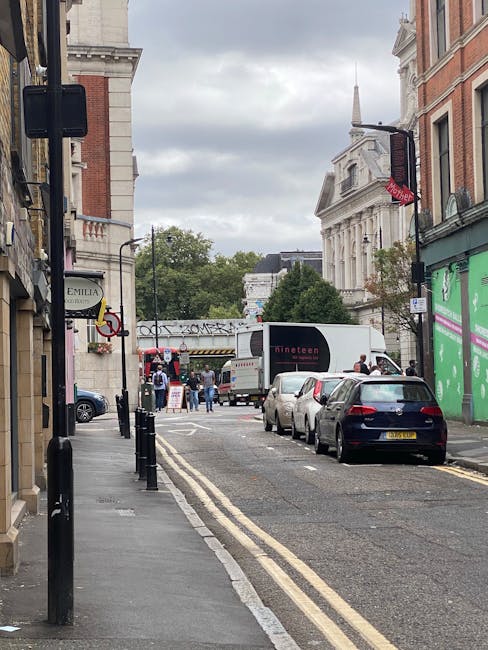
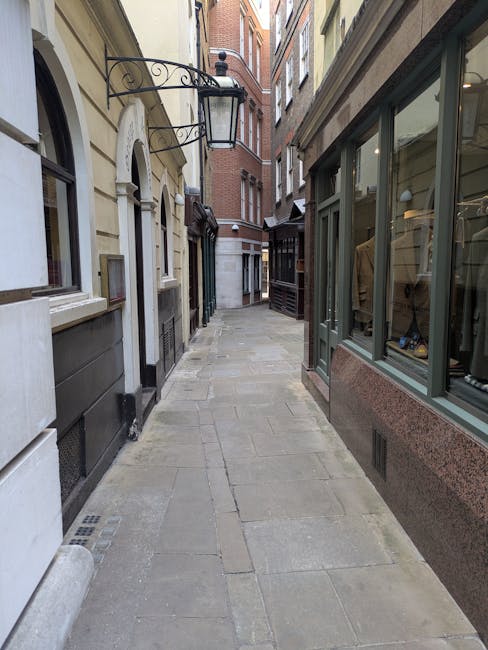
Shoreditch is a district in the East End of London that sits within the London Borough of Hackney, with parts extending towards Tower Hamlets. Historically associated with industry, theatres, markets and later creative reuse, it has long been a place shaped by reinvention. The area’s street pattern still reflects older boundaries and routes, while later development has introduced offices, apartments, restaurants and cultural venues alongside remaining traces of earlier urban fabric. Shoreditch High Street and the surrounding lanes are known for dense mixed-use character rather than a single uniform town centre.
The neighbourhood is often linked with the broader history of London’s eastward growth, including the rise of trade, warehousing and workers’ housing in the nineteenth century. Over time, former industrial buildings have been adapted for new uses, and that layered architecture remains one of the area’s most distinctive features. Visitors and residents encounter a mix of old and new brickwork, converted premises, contemporary schemes and street-level businesses. The area also connects closely with nearby Spitalfields, Hoxton and the City fringe, which adds to its varied urban feel.
Shoreditch is known for cultural life as well as buildings. Street art, independent shops, galleries and performance spaces contribute to its contemporary identity, while markets and nightlife give it a strong daily rhythm. Public transport links make it a busy part of inner London, yet it also contains quieter residential streets and small pockets of green space. The result is a district with a strong sense of place, shaped by commerce, creativity and long-running change rather than by a single historical period or land use.
Choosing the right level of moving help
The right service depends on how much needs to travel and how much loading support is required. Some customers only need a vehicle and careful transport, while others need help with carrying, placement and basic protection for fragile or bulky items. Our van-based work is intended to sit comfortably between self-transport and larger removals, giving enough support to make the job manageable without overcomplicating it.
Commercial moves may be the better choice when the job is broader than a simple item transfer, especially if multiple desks, stock or office pieces are involved. For residential jobs, the distinction is often between a straightforward van move and a larger house move. The house removalists page can help if you want a fuller home relocation service, while the van option is often best when the scope stays compact and focused.
Another useful comparison is between using a dedicated removal service and simply arranging transport for selected items. A van can be the most sensible choice when the load is lighter, the collection and delivery points are clear and the items do not need a long preparation process. That keeps the move practical and avoids paying for capacity that is not really needed.
Pricing factors and quotation details
Quotation requests are usually clearer when they include the main practical details rather than a long explanation. The type and number of items, the distance between addresses, the number of floors and any access limits all help define the job. If there are extra handling needs, such as dismantling, careful wrapping or waiting time between collection and delivery, those points should be mentioned because they affect the scale of the move.
Some customers also want to compare a van move with related services before deciding. Our pricing and quotes page is the place to look for that kind of detail, while this service page remains focused on what the van job covers and when it is the sensible option. If you are still deciding, it is usually enough to outline the move in plain language and ask for the most appropriate arrangement rather than trying to diagnose every part of it yourself.
The clearest quotations are based on facts, not guesses. A short list of items, the pickup and drop-off areas, and any awkward access details are often enough to start. Once that is set out, the next step is straightforward: compare the options, choose the level of help you need and ask for a quotation when you are ready to proceed.
Useful related services and next steps
Some moves naturally sit alongside other services. If you need a broader household or business transfer, a different page may fit better. If you are dealing with a single item, a set of furniture or a small collection of belongings, this man with van service is likely to be the practical match. The main point is to choose the service that matches the actual workload rather than stretching a smaller job into a larger category.
You can also explore related pages for special cases such as mattress and sofa disposal when an item is no longer being moved for reuse, or recycling and sustainability if you want to understand how recovered items and materials are handled more broadly. For general enquiries, the contact page provides the route for speaking with the team and arranging your next step.
To keep things simple, start with the item list, confirm the addresses and note any access issues. That is usually enough to move from interest to an accurate quote without unnecessary back and forth. Share the essentials, compare the options and send your request when you are ready.