Brick Lane furniture removals narrow street access tips: how to move bulky items through tight London streets
Brick Lane can be brilliant for food, culture, and character, but for moving day it is a different story. If you are planning furniture removals in this part of East London, narrow street access tips matter more than you might think. One parked van, one awkward corner, or one badly timed delivery slot can turn a simple job into a slow, sweaty, stop-start headache. This guide walks you through the practical side of moving furniture in tight streets, from measuring access to loading safely and avoiding the little mistakes that cost time.
Whether you are moving out of a flat, picking up a second-hand sofa, or organising a small business move, the aim is the same: protect the furniture, protect the building, and make the whole job feel calmer. Let's face it, nobody wants to be the person blocking half of Brick Lane while trying to wrestle a wardrobe down a staircase.
Table of Contents
- Why Brick Lane furniture removals narrow street access tips matter
- How the moving process works in narrow streets
- Key benefits and practical advantages
- Who this is for and when it makes sense
- Step-by-step guidance
- Expert tips for better results
- Common mistakes to avoid
- Tools, resources and recommendations
- Law, compliance, standards and best practice
- Options, methods and comparison
- Case study or real-world example
- Practical checklist
- Conclusion
- Frequently asked questions
Why Brick Lane furniture removals narrow street access tips matter
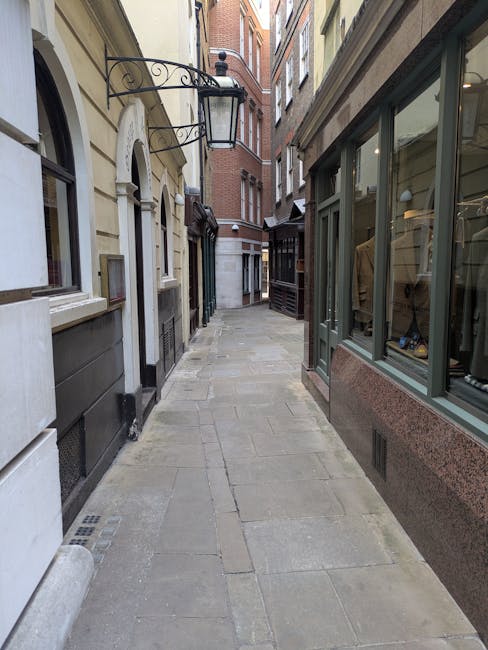
Narrow streets change everything. In a place like Brick Lane, the challenge is not just moving furniture from one address to another. It is getting the vehicle positioned, finding space to load, managing pedestrians, and keeping the route workable when there are bins, bikes, cafe tables, temporary roadworks, and delivery vans all competing for the same few metres.
That matters for three simple reasons. First, access affects time. If the van cannot get close enough, you end up carrying heavy items further than planned. Second, access affects safety. Tight turns and stairwells increase the chance of knocks, scrapes, or back strain. Third, access affects cost and efficiency. A move that should have taken one neat run can become a series of awkward hand-carries. It is rarely dramatic, just annoyingly inefficient. And those little delays add up.
Brick Lane also has a very specific rhythm. On some days the street feels busy from early morning through late evening, with loading pressure changing by the hour. A good move plan respects that reality instead of pretending the road will behave like a quiet suburban cul-de-sac. That is the whole point of these tips: work with the street, not against it.
Expert summary: the best narrow-street move is usually not the one with the biggest vehicle. It is the one with the best timing, the clearest access plan, and the fewest surprises.
How Brick Lane furniture removals narrow street access tips works
The process is simpler than people expect, but it needs a bit of thought. You start by checking the access at both ends: the pickup point and the drop-off point. Then you match the furniture to the vehicle, the vehicle to the street, and the street to the timing. It sounds obvious. In practice, people often skip one of those steps and regret it later.
Here is the practical flow. The moving team or the customer identifies the item sizes, entry route, and likely obstacles. They check whether the van can stop nearby without causing a problem. They decide whether items need to be dismantled before the move. Then they choose the loading method: direct carry, two-person carry, dolly, blanket wrap, or partial disassembly. If the access is especially tight, a smaller vehicle or a man with van style service can be a smarter fit than a larger truck.
For flats above ground level, stairs and hallways matter just as much as the street outside. Door widths, bannisters, low ceilings, and narrow turns can make a sofa feel three times bigger than it looked in the living room. Truth be told, a tape measure solves more problems than optimism ever will.
If you are arranging a home move rather than just a single-item pickup, it may also help to look at home move support and house removalists options, especially if there are several large items to move in one go.
Key benefits and practical advantages
Good access planning is not just about avoiding hassle. It creates real advantages that you notice immediately on moving day.
- Less carrying distance: shorter carries mean less fatigue and lower risk of damage.
- Faster loading and unloading: the van spends less time idling while people walk back and forth.
- Lower damage risk: fewer tight turns and fewer contact points with walls, railings, and door frames.
- Better control in busy streets: when the van is positioned well, the crew can work in a calmer, more organised way.
- More predictable timing: access planning helps you estimate the job more honestly.
There is also a subtle benefit people forget: less stress. When the access plan is sorted, everyone relaxes a little. You are not panicking about whether the wardrobe will clear the stairwell or whether a passing cyclist will clip the van mirror. You can just get on with it.
If you are moving a single piece of furniture, a focused service such as furniture pick-up can be more efficient than booking a larger removal setup. For heavier or awkward items, it is worth considering moving truck or removal truck hire only if the street and loading point genuinely support that size of vehicle.
Who this is for and when it makes sense
This guidance is useful for a few different people. If you live in a flat off Brick Lane, it may help you move a sofa, bed frame, dining table, or chest of drawers without turning the hallway into a battlefield. If you run a small shop, studio, or office nearby, it can help with furniture swaps and light commercial relocation too. If you are furnishing a new place with second-hand or refurbished pieces, the same access issues still apply. Narrow street is narrow street, whichever way you dress it up.
It is especially useful if:
- your building has limited kerb space
- the furniture is bulky, fragile, or hard to dismantle
- there are staircases, shared hallways, or small lifts
- you need the move done quickly with minimal disruption
- the move involves a time-sensitive delivery or collection
Commercial clients can benefit too. A small office or retail space move near Brick Lane may need careful timing around foot traffic, deliveries, and opening hours. If that sounds familiar, you might also want to explore commercial moves or office relocation services.
Step-by-step guidance
1. Measure the access before you book
Start with the basics: doorway width, stair width, turning space, ceiling height, and any tight corners. Measure the furniture too, not just the building. A sofa might appear fine in a room, but once you try to angle it through a narrow front door, it can become a very different beast.
2. Check where the vehicle can safely stop
Look at the street outside the building and think in practical terms. Can a van stop without blocking traffic? Is there room for the tail lift, if one is being used? Are there loading restrictions or awkward bends? Even if you only have a short carry, the parking position can make or break the job.
3. Decide what should be dismantled
Flat-pack furniture, bed frames, and some table legs often move better in pieces. Dismantling is not always needed, but it can save time, reduce damage, and make the carry safer. Keep screws, bolts, and labels in one small bag. It sounds basic, but it saves the usual late-night "where did that bracket go?" drama.
4. Protect the route through the property
Use blankets, corner protectors, and floor coverings if needed. In narrow stairwells, one careless scrape can leave a mark on both the wall and your mood. Hallways in older buildings are often tighter than they look in daylight, so protect them before the move starts.
5. Load in the right order
Heavy items should usually go in first, with lighter or more fragile items secured around them. Weight should be spread evenly. If the vehicle is not packed well, tight-street moves become even more awkward because you cannot keep reloading in the road every five minutes.
6. Keep communication simple and direct
One person should guide the move. Too many instructions in a narrow space create confusion fast. A short "stop", "lift", or "turn now" is often all you need. You will notice how much calmer it feels when one person is clearly leading.
7. Plan the final carry to the room, not just the front door
People often stop planning once the furniture reaches the building entrance. That is a mistake. The route inside matters too, especially in converted properties or upstairs flats. Think about the final placement so you are not shifting the same item three times.
Expert tips for better results
In our experience, a few small habits make a surprisingly big difference in Brick Lane and similar tight-access streets.
- Choose the right time of day. Early morning can be easier for parking and pedestrian flow, though you still need to check what is happening locally.
- Have a backup plan. If the van cannot stop outside the door, know in advance where the nearest sensible loading point is.
- Use smaller loads more intelligently. Two lighter trips can be better than one overpacked run that creates stress and damage.
- Disassemble only what genuinely helps. Do not take apart a solid piece of furniture unless it improves access or safety.
- Wrap corners and glass separately. One wobble on a tight staircase is enough to cause a chipped edge.
- Leave a bit of buffer time. London access is rarely perfect, and pretending otherwise is a fast route to annoyance.
Another useful tip: if you are moving mixed items, separate furniture removal from appliance or waste disposal. A fridge, for example, may need different handling than a bookcase. If that is part of your move, see fridge and appliance removal for the right approach. For old mattresses or sofas that are no longer worth moving, mattress and sofa disposal may make more sense than forcing them through awkward access at all.
Common mistakes to avoid
Most narrow-street problems are preventable. The issue is usually not one huge error. It is three small ones stacked on top of each other.
- Guessing the vehicle size. People often book too large a vehicle because they want one trip, then find the street cannot support it.
- Ignoring internal access. A wide doorway does not help if the landing turn is too sharp.
- Forgetting about neighbours and pedestrians. Brick Lane is busy. Blocking a doorway or pavement for too long creates avoidable friction.
- Not measuring the biggest item. Measure the awkward piece, not the easy one.
- Leaving packing until the last minute. Loose cushions, screws, and detachable legs always seem to disappear at the worst time.
- Assuming every move can be done in one clean motion. Sometimes, it simply cannot. Better to accept that early than to fight the building.
There is a quieter mistake too: not telling the mover about access restrictions in full. If there is a low arch, shared gate, loading limitation, or a stairwell with a sharp bend, say it early. Nobody benefits from surprises on the doorstep. Well, except the neighbour who watches the whole thing from the window, perhaps.
Tools, resources and recommendations
You do not need a lot of fancy equipment, but the right basics make tight-access removals far easier.
| Tool or resource | Why it helps | Best used for |
|---|---|---|
| Measuring tape | Confirms whether furniture and access actually match | Sofas, wardrobes, beds, stairwells |
| Furniture blankets | Protects surfaces in close quarters | Wood, glass, polished frames |
| Ratchet straps or tie-downs | Keeps loads stable in the vehicle | Mixed furniture loads |
| Furniture sliders or a dolly | Makes short internal moves safer | Heavy items on flat floors |
| Label bags | Keeps bolts and fittings together | Flat-pack and dismantled furniture |
For people who want help with the full packing stage, packing and unpacking services can be useful, especially where narrow access makes it hard to organise boxes around the hallway. If you are comparing move options more broadly, man and van is often the flexible choice for smaller or access-sensitive jobs.
And if the move includes items you do not want to keep, such as bulky furniture or mixed household clutter, you may also want to think about recycling and sustainability so usable items are handled responsibly. That is a practical win, not just a feel-good one.
Law, compliance, standards and best practice
For any furniture removal in a busy London street, there are a few common-sense standards worth respecting. You should not block pavements, create unnecessary hazards, or place people at risk while loading. If you are using a professional mover, they should work in line with reasonable health and safety practice, use appropriate lifting methods, and take care around public access.
If the move involves waste items, hazardous materials, or items that should not simply be left behind, disposal needs a bit more care. That may include appliance handling, certain waste categories, or items that need special treatment. For those cases, services such as hazardous waste disposal and the site's health and safety policy can help set expectations. Insurance also matters. A mover should be clear about how they handle goods in transit and what happens if something is damaged, which is why insurance and safety is worth reviewing before you book.
Best practice is not about being over-cautious. It is about being sensible. Measure first, pack properly, communicate clearly, and avoid improvising in the street. That is the real standard, to be fair.
Options, methods and comparison table
There is no single best method for every narrow-street move. It depends on the item, the building, and how much disruption you can tolerate. Here is a simple comparison to help you choose.
| Method | Best for | Pros | Watch out for |
|---|---|---|---|
| Small van or man-and-van setup | Single items, partial loads, tight streets | Flexible, easier to park, lower access pressure | May need more than one trip for larger loads |
| Larger removal vehicle | Full home or office moves with manageable access | More space, fewer runs | Harder to position in narrow streets |
| Item-by-item carry | Very limited access or short-distance moves | Works in awkward buildings | Slower and more physically demanding |
| Dismantled furniture move | Oversized items that will not clear turns | Improves access, lowers damage risk | Requires careful reassembly later |
If you are unsure which approach fits your situation, a practical route is to compare the access against the actual furniture list. That sounds basic because it is basic, but basic is often where the best move decisions happen.
Case study or real-world example
Imagine a second-floor flat near Brick Lane with a long sofa, a bed frame, and a dining table. The entrance corridor is narrow, the stairwell turns sharply, and the street outside is busy by mid-morning. A rushed plan might book a large vehicle and hope for the best. That is where trouble starts.
A better approach would be to measure the sofa before the move, remove the legs from the table, and dismantle the bed frame in advance. The van arrives early, stops at the nearest sensible point, and the crew carries the items in a planned order: bed base first, then table parts, then sofa last, once the route is clear. By keeping the largest item for last, they reduce the chance of blocking the stairwell while everyone is tired.
Nothing flashy. Just a calm sequence, a few measurements, and less back-and-forth. The job still takes effort, of course. But it feels manageable, which is exactly what most people want on moving day.
Practical checklist
Use this checklist before the move starts. It saves a surprising amount of grief.
- Measure every large item, especially sofas, wardrobes, beds, and tables
- Measure doorways, stair widths, and tight corners at both properties
- Check where the vehicle can legally and safely stop
- Confirm whether any items need dismantling
- Pack screws, bolts, and small fittings in clearly labelled bags
- Protect walls, floors, and corners on the route out
- Decide which items need blankets or wrapping
- Make sure the largest item can turn through the building
- Tell the mover about restrictions, gates, or awkward access in advance
- Plan what to do if the vehicle cannot park right outside
- Separate items for removal, recycling, or disposal if needed
- Keep a contact number available on moving day
Quick takeaway: if Brick Lane access is tight, planning the route is just as important as packing the furniture. Often more so.
Conclusion
Brick Lane furniture removals need a little more forethought than a standard move, and that is fine. Narrow street access is not a deal-breaker; it is just a factor you have to respect. Once you measure properly, choose the right vehicle size, and think through the loading route, the whole process gets easier. Less guesswork, fewer surprises, more control.
If you are comparing options for a home move, a single-item collection, or a small commercial relocation, it is worth looking at the wider support available on the site, including pricing and quotes and book online when you are ready to plan the next step. A little preparation goes a long way in streets like these, and that is often what turns a stressful day into a decent one.
Get a free quote today and see how much you can save.
And if all you do is measure properly and tell the truth about the access, you are already ahead of most moving-day chaos. Small wins count.
Frequently Asked Questions
What is the biggest challenge with Brick Lane furniture removals?
The biggest challenge is usually access, not the furniture itself. Narrow streets, limited parking, and busy foot traffic can make loading and unloading slower, so planning matters more than usual.
How do I know if my sofa will fit through a narrow doorway?
Measure the sofa at its widest point, then measure the doorway width and any turns before it. If the sofa needs to be angled, you should also check ceiling height and landing space. That extra bit of checking saves a lot of pushing and hoping.
Is a smaller van better for Brick Lane?
Often, yes. A smaller van or flexible man-and-van setup can be easier to position in tight streets. But the right choice depends on the load size and whether you can make the move in one or two practical runs.
Should I dismantle furniture before moving it?
If the item is bulky, awkward, or likely to catch on corners, dismantling usually helps. Beds, tables, and some wardrobes often move better in parts. Keep all fixings together so reassembly does not become a scavenger hunt.
What should I tell the mover before the job?
Tell them about staircases, low ceilings, narrow hallways, road restrictions, parking limits, and any unusually large items. The more accurate the access details, the smoother the move.
Can I move furniture in Brick Lane during busy hours?
You can, but it is usually less comfortable. Early or quieter times often make parking and loading easier. If you have flexibility, use it.
What happens if the van cannot stop outside my building?
The team may need to park further away and carry items a longer distance. That is manageable if planned, but it can add time and physical effort. A backup loading point should always be part of the plan.
Do I need special equipment for narrow-street removals?
Not always, but basic tools like blankets, straps, a dolly, and a measuring tape make a big difference. In tight spaces, simple equipment is often enough if used well.
How do I protect walls and floors during the move?
Use furniture blankets, corner guards, and floor coverings where the route is tight. Move slowly through narrow stairwells and keep one person guiding the largest items. A bit of caution goes a long way.
Is it better to book a full removal service or a man and van?
For smaller loads or tricky access, a man and van service can be the better fit. For larger home moves with more furniture, a fuller removal setup may be more efficient. It depends on the size of the job and the access at both ends.
What if I need to get rid of old furniture too?
If you are not taking the item with you, disposal or collection may be more sensible than moving it. Services such as furniture pick-up, mattress and sofa disposal, or recycling-focused support can be useful depending on the condition of the item.
How far in advance should I plan a narrow-street move?
As early as you reasonably can. Even a short move benefits from a proper access check, and bookings are easier when the route, timing, and load details are clear from the start.
Need local help with a tight-access move? Use the guidance above to plan calmly, measure carefully, and choose the method that fits the street rather than fighting it. That is usually how the move goes best.