Removals near Shoreditch High Street station fastest routes: the practical local guide
If you are planning Removals near Shoreditch High Street station fastest routes, the big question is usually not just "how do we move?" but "how do we move without getting stuck in traffic, timing issues, or awkward access?" Around Shoreditch, that matters a lot. The area is busy, the streets can be tight, and one badly timed arrival can turn a straightforward move into a long, slightly stressful shuffle of boxes and van doors.
This guide breaks down the fastest routes, the local access issues that affect removals, and the best way to plan a smooth move near Shoreditch High Street station. You will find practical route ideas, useful timing tips, common mistakes to avoid, and a realistic checklist you can actually use. No fluff. Just the stuff that helps on moving day.
Quick note: the "fastest" route is not always the same route every day. In central London, the quickest option can change by time of day, roadworks, bus lanes, loading restrictions, and the exact pickup or drop-off point. A good removal plan stays flexible.
Table of Contents
- Why Removals near Shoreditch High Street station fastest routes Matters
- How Removals near Shoreditch High Street station fastest routes Works
- Key Benefits and Practical Advantages
- Who This Is For and When It Makes Sense
- Step-by-Step Guidance
- Expert Tips for Better Results
- Common Mistakes to Avoid
- Tools, Resources and Recommendations
- Law, Compliance, Standards, or Best Practice
- Options, Methods, or Comparison Table
- Case Study or Real-World Example
- Practical Checklist
- Conclusion
- Frequently Asked Questions
Why Removals near Shoreditch High Street station fastest routes Matters
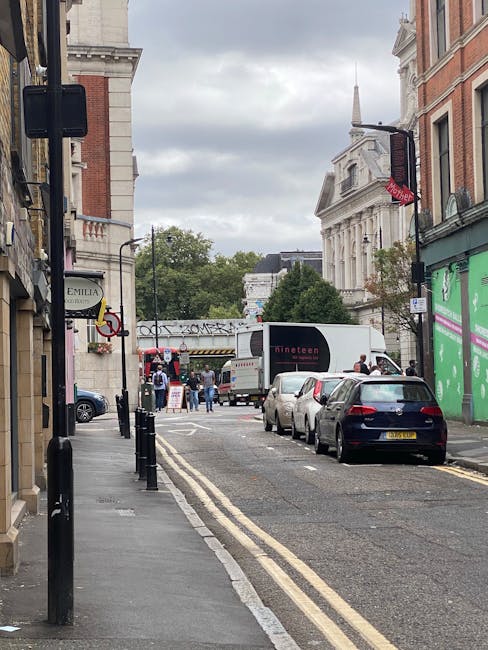
Shoreditch High Street station sits in one of London's busiest little pockets. That sounds obvious, but it has real consequences for removals. Streets around the station can be full of taxis, delivery vans, cyclists, pedestrians, ride-hailing drop-offs, and people heading to work, lunch, galleries, or a late-night start. On a map, the route can look simple. In practice, it can be anything but.
Why does this matter so much? Because a removal van is not a normal commuter vehicle. It needs space to stop, time to load, and a route that avoids unnecessary turns, bottlenecks, and missed windows. If you are moving flat contents, office equipment, or just a few bulky items, the route affects everything from labour time to parking stress and whether your move feels manageable or messy.
Fast routes also matter for the people around you. In a busy neighbourhood, keeping the van time efficient reduces disruption for neighbours, pedestrians, and building managers. That sounds small, but on moving day small things are usually the difference between calm and chaos. And let's face it, nobody wants to stand outside with a sofa while two cyclists ring bells behind them.
There is also a practical cost angle. If the fastest route is chosen well, you may reduce waiting time, wasted mileage, and the amount of time movers spend wrestling with access instead of actually moving your belongings. That is especially relevant for time-sensitive jobs such as office relocation, shared building moves, or same-day furniture pick-up.
How Removals near Shoreditch High Street station fastest routes Works
The process is a mix of route planning, access planning, and timing. In Shoreditch, the route does not begin when the van starts driving. It starts earlier, with understanding where the property is, what size vehicle can realistically get close, and what time of day is least painful for entry and exit.
In simple terms, the moving process usually works like this:
- Identify the exact pickup and drop-off points. A point "near Shoreditch High Street station" can mean very different streets, side roads, or loading spots.
- Check the vehicle type. A small van, medium van, or larger removals vehicle each performs differently in tight streets.
- Plan around traffic patterns. Peak hours, school runs, Friday evenings, and late-morning delivery waves can all slow things down.
- Assess parking and loading. Even a short stop can be complicated if there is no clear loading area.
- Build in a little slack. In London, a "fast route" that leaves zero margin is not really fast. It is just optimistic.
Near Shoreditch High Street station, the best route often depends on whether the job is heading north, south, east, or west. A move toward nearby areas can sometimes be quicker through smaller back routes than taking a larger road that looks better on paper. But that decision depends on vehicle size, road restrictions, and whether the load needs a simple straight approach or a wider turning circle.
If you are using a service like man and van support, the benefit is flexibility. If the job needs a larger vehicle, you may be looking at moving truck options instead. The key is matching the route to the vehicle, not the other way around.
Key Benefits and Practical Advantages
Choosing the fastest sensible route near Shoreditch High Street station gives you more than a quicker journey. It improves the whole moving day experience, especially in an area where access can be awkward even on a good day.
- Less standing around. Faster access means less time waiting for a van to find space or double back.
- Lower risk of delays. Route planning helps avoid obvious choke points and unnecessary detours.
- Cleaner handling of bulky items. If a van can stop close to the entrance, movers are not carrying heavy furniture half a street away.
- Better timing for building access. Flats, offices, and managed buildings often have limited moving windows.
- Less stress for everyone. You feel it most when the first 15 minutes go smoothly. That sets the tone.
There is also a subtle benefit people overlook: better route planning often means better communication. When the mover knows the likely approach, the loading point, and the likely pinch points, they can prepare the right equipment and crew. Trolleys, blankets, straps, and protective covers are all easier to plan when the route is properly thought through.
For a flat move, that can be the difference between a tidy one-trip operation and a series of awkward runs up and down stairs. For business customers, it can keep the day from drifting into "why are we still here?" territory, which is never a fun sentence to hear.
Who This Is For and When It Makes Sense
Not every move needs a heavy-duty removals plan. But if you are around Shoreditch High Street station, route planning becomes useful surprisingly quickly. It makes sense for:
- flat moves in busy streets or apartment blocks
- office moves that need precise arrival timing
- furniture pick-ups that involve narrow roads or short loading windows
- students or renters moving with mixed loads of boxes and furniture
- landlords and property managers arranging turnover support
- anyone moving larger items through central or inner East London
It also makes sense if you are dealing with awkward items such as a sofa, appliance, bed frame, desk, or fragile boxes that should not be bounced around the back of a van. In those cases, the route is part of item safety. A shorter, better-planned route reduces the chance of sudden braking, long idle time, and last-minute rehandling.
If your move includes business equipment, you may also want to look at commercial moves or office relocation services. For domestic jobs, the more relevant fit is often home moves. Different move, different rhythm.
Step-by-Step Guidance
Here is a simple way to plan removals near Shoreditch High Street station without overcomplicating things. This is the part that helps turn a decent plan into a smooth one.
- Confirm the exact address and entrance. Is the access on a main road, side street, courtyard, or rear entrance? That changes everything.
- Check the vehicle size. A larger truck may carry more, but a smaller van can sometimes get in and out faster. That matters a lot near the station.
- Choose the timing carefully. If possible, aim for a window that avoids peak commuter flow, school traffic, and obvious congestion periods.
- Look at loading space before move day. If you can only stop briefly, plan the loading order so the largest or heaviest items come out first.
- Pack for route stability. Secure fragile items and avoid loose packing. A neat load travels better. Really, it does.
- Confirm building rules. Some blocks need advance notice, lift booking, or proof of insurance.
- Leave a buffer. Even a short buffer can save the day if the street is busier than expected.
One small but important tip: if the route looks easy on a map, walk it mentally from van to front door. Where does the trolley turn? Where could a van pause? Is there a queue of deliveries at the exact spot you want to use? Those tiny details tend to decide whether a move feels calm or slightly ridiculous.
If packing still needs doing, pairing the route plan with packing and unpacking services can reduce last-minute chaos. If you need a vehicle only, removal truck hire may be the better fit.
Expert Tips for Better Results
In our experience, the best removal jobs near Shoreditch are rarely the fanciest. They are the ones with good judgment. A few simple habits make a real difference.
- Use the smallest vehicle that still fits the job. Bigger is not always better in tight East London streets.
- Prioritise direct access over theoretical capacity. A van that can reach the entrance can save more time than a larger one parked too far away.
- Keep a loading order list. First out, last out, fragile, heavy, awkward - write it down if needed.
- Tell the mover about lifts, stairs, or restricted entrances. Don't leave that as a surprise. Nobody likes surprise stairs.
- Have parking and building instructions ready. A screenshot in your phone can be enough to settle a question quickly.
- Protect items for stop-start driving. Tight wrapping and proper securing matter more in stop-heavy London traffic.
Another useful habit is to think in terms of "distance on foot" rather than just "distance by road." A route that saves 400 metres on the map but forces a long carry from van to door may actually be slower. That is one of those little truths you only really learn after a few moves.
If the move includes an appliance or awkward bulky item, services like fridge and appliance removal or furniture pick-up may help keep the job tidy and efficient.
Common Mistakes to Avoid
Most moving problems near Shoreditch High Street station are not dramatic. They are small planning misses that stack up. The good news? They are avoidable.
- Assuming every nearby road is equally accessible. Some look fine until the van arrives.
- Ignoring time-of-day traffic. A route that works at 10:30am may be a headache at 5pm.
- Booking the wrong vehicle size. Too large can slow access; too small can mean extra trips.
- Not checking drop-off restrictions. Some areas are easier to unload than to load, or vice versa.
- Forgetting about lift and stair access. This can affect both timing and labour.
- Packing without thinking about order. If the kettle is buried under lamp stands, you will feel it later.
A common one near busy stations is underestimating how long the final approach takes. The van may be close on the map, but the last few streets can be the slowest part because of traffic, pedestrians, and delivery activity. Truth be told, that final stretch is where many plans wobble a bit.
Another mistake is ignoring the human side. Neighbours, building staff, and reception teams can make a move easier if they know what to expect. A polite heads-up still goes a long way. Old-fashioned, maybe. Effective, definitely.
Tools, Resources and Recommendations
You do not need a pile of equipment to make a move near Shoreditch High Street station work well. But a few practical tools and services can make life easier.
- Household labels and marker pens. Simple, but they save time when boxes arrive in a hurry.
- Furniture blankets and straps. Useful for protecting items on short urban routes with frequent braking.
- Trolley or sack truck. Very helpful if you have heavier boxes or appliance movement.
- Floor and door protection. Handy for blocks with shared entrances or polished surfaces.
- Clear move-day notes. Include access details, contact numbers, and any building instructions.
For more support, you may want to read through the company's pages on insurance and safety and health and safety policy. Those pages are useful if you want reassurance about how the work is handled, especially where awkward access or fragile goods are involved.
If the move includes items you no longer want, a tidy pre-move clear-out can help. In some cases, services like mattress and sofa disposal or confidential shredding can reduce clutter before the van turns up. Less clutter usually means less delay. Simple, but powerful.
Law, Compliance, Standards, or Best Practice
With removals in London, especially near a busy station, good practice matters as much as speed. You are not usually dealing with complicated legal issues as a customer, but there are still sensible standards worth respecting.
First, consider parking and loading rules. Local restrictions, time limits, and access controls can vary street by street. A moving vehicle that blocks traffic or parks carelessly can create avoidable problems fast. Second, think about building rules. Many managed properties expect advance notice, lift protection, or proof of insurance from the moving team. Third, if the move includes waste or unwanted items, disposal should be handled responsibly rather than dumped or left by the curb "for later". That is not later. That is a problem.
From a best-practice point of view, a good removals job should also be clear about safety, security, and fair handling of belongings. If you are comparing providers, look for practical signs of professionalism: decent communication, realistic timing, clear pricing explanation, and a proper plan for access.
If payment security matters to you - and it should - the page on payment and security is worth a look. If pricing transparency matters more, pricing and quotes may help you understand what to ask before booking. That kind of clarity is underrated.
For customers who are especially careful about trust, the company's about us page can also provide background, while terms and conditions and complaints procedure are useful if you want to know how issues are handled. Not glamorous, maybe. But useful. Very useful.
Options, Methods, or Comparison Table
Different move types need different approaches. The fastest route near Shoreditch High Street station depends partly on whether you are using a small van, a larger truck, or a more complete removal service.
| Option | Best for | Strengths | Trade-offs |
|---|---|---|---|
| Man and van | Small to medium moves, quick pick-ups, flexible schedules | Agile in tighter streets, efficient for shorter jobs | May require more careful packing and load planning |
| Moving truck | Larger moves, bulkier household contents | More capacity, fewer trips for bigger loads | Can be harder to position near busy station streets |
| Home move service | Full residential relocations | More support for packing, handling, and coordination | Can be more involved than a simple transport-only job |
| Commercial move service | Offices, studios, and business equipment | Better suited to time-sensitive operational moves | Needs careful scheduling around staff and business hours |
As a rule, if access is tight and the load is manageable, a more compact vehicle can win on speed. If the load is substantial, a larger vehicle may reduce the number of journeys. That balance matters near Shoreditch High Street station because the quickest route is not always the route with the least traffic - sometimes it is the route that lets the driver stop cleanly and unload once.
If you are not sure which method fits, the safest move is to ask for a quote that reflects both the route and the access conditions rather than just the item list. That little distinction can save a lot of confusion later.
Case Study or Real-World Example
Here is a realistic example based on the kind of move people often face near Shoreditch High Street station.
A renter in a one-bedroom flat needed to move a bed, desk, five medium boxes, a mirror, and two chairs. The first thought was to book a large van because "better to have space than not enough." Fair enough. But the property sat on a narrow street with limited stopping space, and the building entrance was shared with other residents coming and going at the same time.
After checking access, the better option was a smaller vehicle with a tighter arrival window just outside the busiest part of the morning flow. The load was pre-labelled, the larger items were loaded first, and the driver used a route that avoided unnecessary turns near the station approach. The result was not dramatic, which is exactly why it worked. No long search for parking. No confusion about where to stop. No extra carry from the van to the entrance.
A small detail made a big difference: the mirror was packed separately and loaded last so it could be unloaded first. Simple ordering, but that sort of thing saves faff. And moving day already has enough faff built in, thank you very much.
For office jobs, the same logic applies in a slightly different way. A creative studio with computers, files, and chairs usually benefits from a route plan that prioritises minimal idle time and clear building handover. In those cases, office relocation services and commercial moves can be more appropriate than a simple ad hoc transport arrangement.
Practical Checklist
Use this checklist before the van arrives. It keeps things grounded and stops the day from drifting into guesswork.
- Confirm the exact address and entrance point
- Check whether there is a lift, stairs only, or rear access
- Choose a vehicle size that suits local street conditions
- Note any loading restrictions or parking limits
- Plan the route and arrival window around busy periods
- Label boxes clearly by room or priority
- Pack fragile items separately and secure them well
- Keep keys, contacts, and building instructions to hand
- Tell the movers about large, awkward, or heavy items in advance
- Prepare a backup plan if loading space is temporarily blocked
- Dispose of unwanted items before move day if possible
- Check whether insurance or special handling is needed
Practical summary: the fastest route is usually the one that combines the shortest workable drive, the easiest loading point, and the least amount of on-foot carrying. If you get those three aligned, the move tends to go well. Not perfect, maybe, but properly manageable.
Conclusion
Removals near Shoreditch High Street station fastest routes are really about smart planning, not just speed on the road. The local streets, station traffic, loading space, and vehicle choice all shape how smooth the move feels. When those pieces are lined up properly, even a busy London move can feel calm, efficient, and oddly satisfying.
The big idea is simple: choose a route that works for the van, the property, and the time of day. Keep the load organised. Be realistic about access. Ask practical questions early. That is how you protect your belongings and save yourself a lot of unnecessary stress.
Get a free quote today and see how much you can save.
If you are planning a move near Shoreditch High Street station, a little preparation now can make the whole day feel lighter. And that is a good feeling to have before the first box even leaves the flat.
Frequently Asked Questions
What is the fastest route for removals near Shoreditch High Street station?
The fastest route depends on the exact start and end points, the time of day, and vehicle size. In central East London, the best route is often the one that allows quick loading and avoids heavy congestion rather than the one that looks shortest on a map.
Should I use a small van or a larger removals truck near Shoreditch High Street station?
If access is tight, a smaller vehicle may be quicker and easier to position. If you have a larger household or office load, a bigger vehicle may reduce trips. The right answer depends on both the route and the amount you are moving.
How early should I book a removal near Shoreditch High Street station?
As early as you reasonably can, especially if you need a specific time window or have access restrictions. Busy urban moves are easier to coordinate when the team has time to plan the route and vehicle size properly.
Are there parking or loading issues around Shoreditch High Street station?
Yes, there can be. The area is busy and space can be limited, so loading needs careful planning. It is best to check access details in advance rather than assume there will be somewhere convenient to stop.
Can removals be done during peak traffic hours?
Yes, but it is usually less efficient. If you can avoid the busiest times, you will generally get a smoother experience. That said, some moves have no choice, so the route just needs to be planned more carefully.
What should I tell the removals team before move day?
Share the exact address, access type, stairs or lift details, any parking restrictions, and information about large or fragile items. The more accurate the information, the better the route and loading plan can be.
Do I need special help for office removals near Shoreditch High Street station?
If the move involves computers, files, desks, or business equipment, specialist support is usually sensible. Office moves benefit from tighter timing, clear labelling, and a route that minimises interruption to staff and operations.
How can I make a move faster in a busy London area?
Keep the load organised, choose the right vehicle size, prepare access information in advance, and avoid unnecessary waiting. Small efficiencies add up quickly in a busy area like Shoreditch.
What if my building has lift restrictions or narrow stair access?
Let the removals provider know early. This affects both staffing and timing. In some cases, a different vehicle or move schedule may be more appropriate, especially if large furniture has to be carried by hand.
Can I use a removals service for just one or two items?
Yes. Services such as furniture pick-up or man and van transport are often suitable for smaller jobs. These can be especially useful if you only need a sofa, bed, or appliance moved a short distance.
How do I know if a removals quote is fair?
A fair quote should reflect the size of the load, access conditions, timing, and any special handling required. If a quote seems vague, ask what is included so there are no surprises later.
What is the best way to avoid delays on moving day?
Prepare the route, confirm parking and access, label everything clearly, and have a backup plan for minor hold-ups. The moves that go best are usually the ones where nobody is scrambling for answers at the last minute.